
Apologists: Robb Moser
Genesis to Revelation Bible Blogs

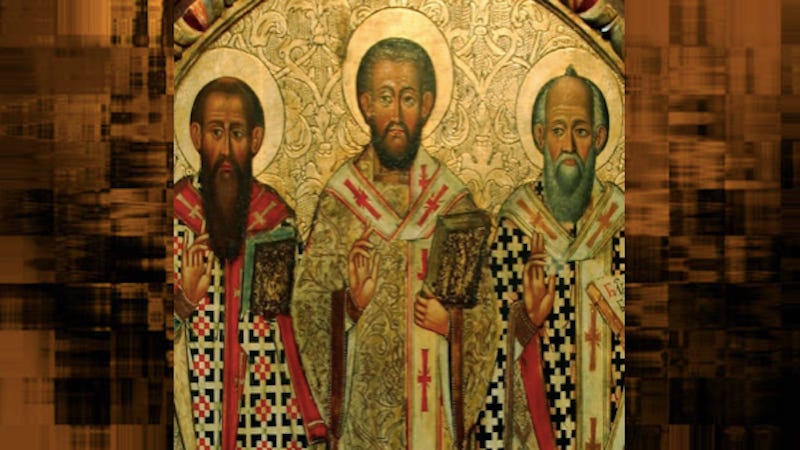
In the first two centuries (30–200 AD), early Christian apologists sought to defend the faith against three primary fronts: Roman state persecution, pagan philosophical criticism, and Jewish theological objections.
The movement transitioned from the “Apostolic Fathers” who focused on internal church discipline to the “Apologists” who addressed external audiences to prove that Christianity was both reasonable and morally superior to paganism.
Key Figures and Their Defenses
Justin Martyr (100–165 AD): A former philosopher who argued that Christ is the “Logos” (Divine Reason), making Socrates and Plato “unknowing Christians”. His First Apology addressed Emperor Antoninus Pius to win civil toleration and refute charges of atheism and immorality.
Tertullian (155–220 AD): The “Father of Latin Christianity” he famously asked, “What has Athens to do with Jerusalem?” while using Roman legal logic to prove that persecuting Christians was unjust. He was the first to use the term “Trinity” (Trinitas) in Latin.
Irenaeus of Lyons (130–202 AD): Primarily a “heresy hunter,” his work Against Heresies systematically refuted Gnosticism by emphasizing the goodness of the physical world and the continuity of apostolic tradition.
Athenagoras of Athens (133–190 AD): In his Plea for the Christians, he addressed Marcus Aurelius, elegantly refuting the specific pagan rumors of cannibalism (”Thyestean feasts”) and incest (”Oedipodean intercourse”) by highlighting Christian moral conduct.
Aristo of Pella (140 AD): Widely considered the earliest apologist to write specifically against Jewish objections. His lost work, Dialogue of Jason and Papiscus, depicted a debate between a Jewish Christian and an Alexandrian Jew, ending in the latter’s conversion.
Common Apologetic Themes
Defense Category; Core Argument; Political Loyalty: Christians are peaceful citizens who pray for the Emperor even if they won’t worship him. Philosophical; Appeal: Christianity is the “true philosophy” and the fulfillment of the best insights of Greek wisdom. Moral; Purity: Christians do not kill infants or commit immorality; their lives are defined by love, even for enemies. Theological; Roots: Jesus is the fulfillment of ancient Old Testament prophecies, proving Christianity is older and more reliable than newer pagan myths.
You can find more detail on their specific works through the Introduction to the Apologists or browse primary texts at Early Christian Writings.