
Augustine: Robb Moser
Genesis to Revelation Bible Blogs

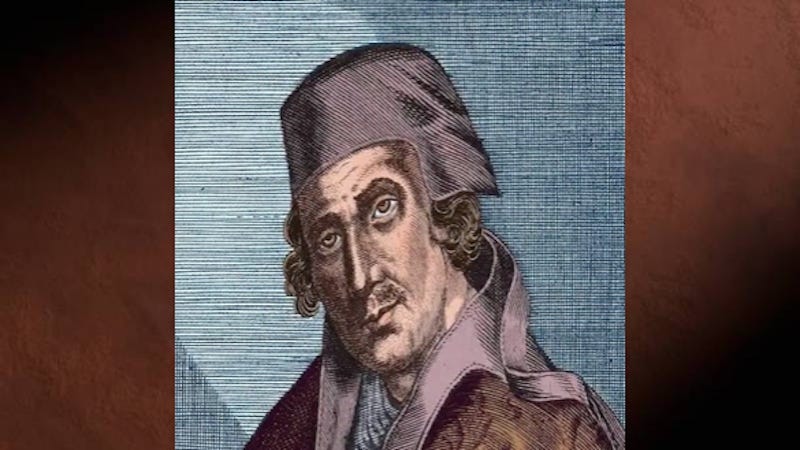
Augustine of Hippo (354–430 AD) was a pivotal Christian theologian and philosopher whose writings fundamentally shaped Western Christianity and philosophy. Serving as the Bishop of Hippo Regius in Roman North Africa (modern-day Algeria), he is recognized as a Doctor of the Church and a saint in multiple Christian denominations.
Early Life and Conversion
Background: Born in Thagaste to a pagan father and a devout Christian mother, Saint Monica.
Youth: He led a hedonistic lifestyle in Carthage and spent years as a follower of Manichaeism before moving to Rome and Milan to teach rhetoric.
Turning Point: Influenced by the preaching of Saint Ambrose and a spiritual experience in a garden where he heard a child’s voice say “take up and read” (tolle, lege), he converted to Christianity in 386.
Major Works
Augustine authored over 100 books, including two of the most influential texts in Western literature:
Confessions: A spiritual autobiography detailing his journey from sin to faith.
The City of God: Written after the sack of Rome in 410, it contrasts the eternal “City of God” with the decaying “Earthly City”.
On the Trinity: A deep theological exploration of the nature of God.
Key Theological & Philosophical Ideas
Original Sin: Formulated the doctrine that humanity is born with a nature corrupted by the Fall.
Divine Grace: Argued that salvation is a gift from God’s grace, not something humans can achieve on their own.
Just War Theory: Developed early criteria for when war could be considered morally permissible.
Time and Memory: Provided profound philosophical reflections on the subjective experience of time in his Confessions.
Legacy
Augustine’s influence bridged the gap between late antiquity and the Middle Ages. His focus on grace and predestination later became a cornerstone for Protestant Reformers like Martin Luther and John Calvin. He died in 430 while his city was under siege by the Vandals.