
Calvin: Robb Moser
Genesis to Revelation Bible Blogs

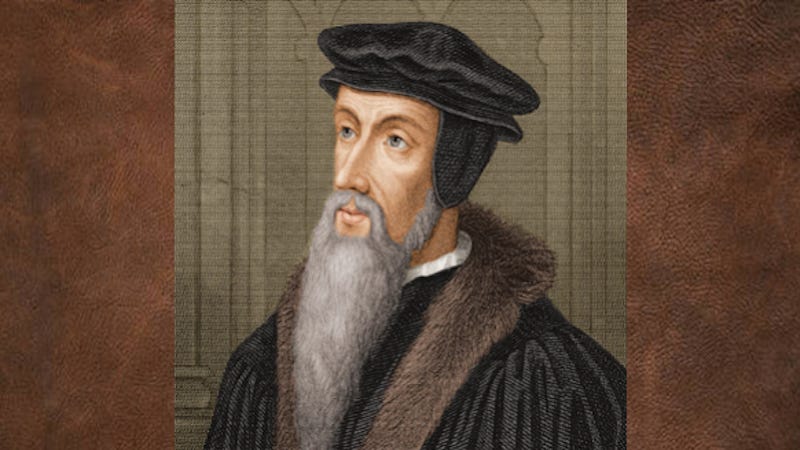
John Calvin (1509–1564) was a French theologian, pastor, and a principal figure of the Protestant Reformation. He is most famous for developing the system of Christian theology known as Calvinism, which emphasizes the absolute sovereignty of God and the doctrine of predestination.
Key Contributions and Life
The Institutes of the Christian Religion: First published in 1536, this work is considered one of the most influential systematic theology books in history. Calvin revised and expanded it throughout his life, growing it from 6 to 80 chapters.
Leadership in Geneva: Calvin spent much of his career in Geneva, Switzerland, where he established a new form of church government and a strict moral code. Under his influence, the city became a model for Reformed churches across Europe.
Doctrine of Predestination: He famously taught that God has “predestined” or chosen certain individuals for salvation (the elect) and others for damnation, an idea often summarized today by the acronym TULIP.
Educational Legacy: He founded the Genevan Academy (which later became the University of Geneva), significantly impacting education and the training of ministers.
Core Beliefs (TULIP)
Modern theologians often use this acronym to summarize Calvinist doctrine:
Total Depravity: Humanity is completely fallen and unable to choose God on its own.
Unconditional Election: God chooses the elect based solely on His will, not human merit.
Limited Atonement: Christ died specifically for the sins of the elect.
Irresistible Grace: When God chooses someone, they cannot resist His saving grace.
Perseverance of the Saints: Once saved, an individual can never lose their salvation.
Controversies
Calvin’s tenure in Geneva was marked by strict discipline. Most notably, he was involved in the trial and execution of Michael Servetus, a Spanish physician burned at the stake for heresy (denying the Trinity) in 1553.
Calvin died in 1564 and was buried in an unmarked grave in the Cimetière des Rois to prevent the site from becoming a place of religious pilgrimage or “idolatry”.