
Clement: Robb Moser
Genesis to Revelation Bible Blogs

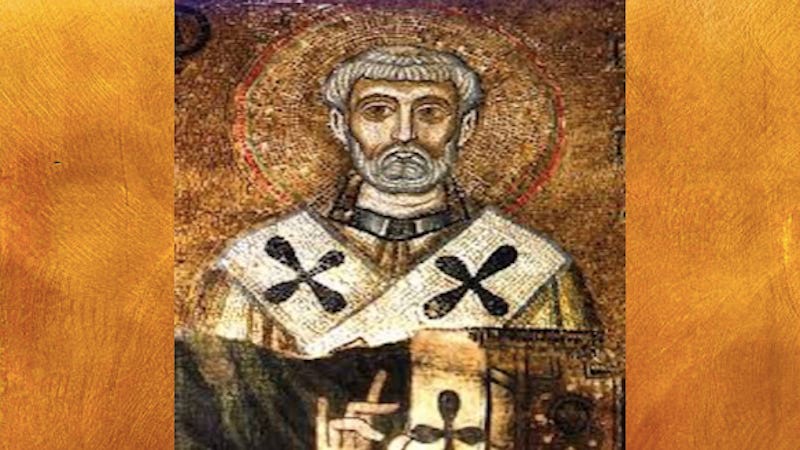
Clement of Rome (died c. 99–101 AD), also known as Pope Clement I, was one of the earliest leaders of the Christian Church and is considered the first of the Apostolic Fathers—early Christian writers who personally knew the Apostles.
Key Historical & Religious Role
Papacy: According to Roman Catholic tradition, he was the fourth Pope, serving as the third successor to Saint Peter after Linus and Anacletus. Some early sources, such as Tertullian, claimed he was ordained directly by Peter.
Writings: His most significant work is the First Epistle of Clement (1 Clement), written around 96 AD to the church in Corinth. It is one of the oldest extant Christian documents outside the New Testament and was so highly regarded that it was read in liturgies alongside Scripture for centuries.
Significance of 1 Clement: The letter was written to settle a dispute where younger members had deposed the established elders. It provides early evidence for the principles of apostolic succession and church order.
Martyrdom and Legend
While early historians like Eusebius suggest he died of natural causes, a later, popular tradition recounts his martyrdom under Emperor Trajan.
The Anchor: Legend states he was exiled to Crimea and forced to work in stone quarries. After performing miracles and converting many, he was allegedly martyred by being tied to an anchor and thrown into the Black Sea.
Patronage: Because of this legend, he is the patron saint of mariners, stonecutters, and marble workers. In art, he is almost always depicted with an anchor at his side.
Commemoration
Feast Day: November 23 (Catholic and Lutheran Churches); November 24 or 25 (Eastern Orthodox Churches).
Relics: His remains are said to have been recovered by Saint Cyril in the 9th century and are now enshrined in the Basilica di San Clemente in Rome, a church built over layers of history, including a 1st-century Roman house believed to be his home.