
Early: Robb Moser
Genesis to Revelation Bible Blogs

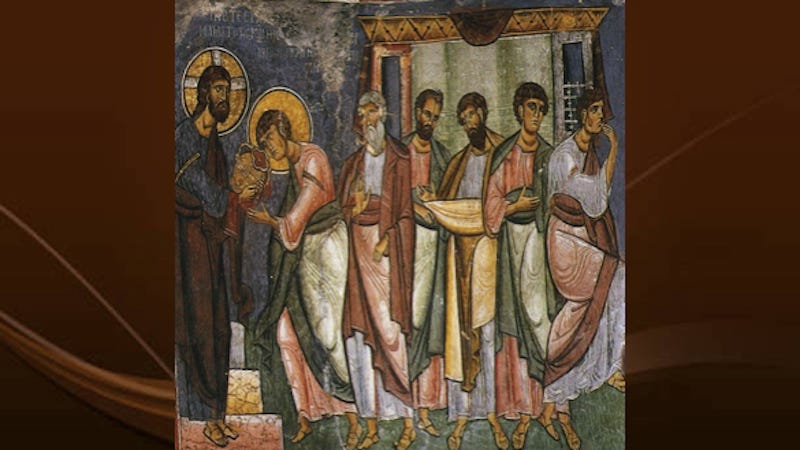
The Early Church (30–200 AD) marks the foundational era of Christianity, transitioning from a localized Jewish messianic movement to a distinct religion spreading across the Roman Empire.
Key Phases of the Early Church
The Apostolic Age (30–100 AD): Beginning with the ministry and resurrection of Jesus and the event of Pentecost, this period was led by the original Apostles.
Leaders: Peter, the primary leader in Jerusalem, and Paul, who spearheaded the mission to the Gentiles.
Spread: Centered initially in Jerusalem, the faith rapidly expanded to Antioch (where the term “Christian” originated), Asia Minor, Greece, and Rome.
Key Event: The Council of Jerusalem (c. 50 AD) determined that Gentile converts did not need to follow all Jewish laws, such as circumcision.
The Ante-Nicene Period (100–200 AD): Following the death of the last Apostles, the “Apostolic Fathers” and early “Apologists” began consolidating church structure and defending the faith.
Consolidation: The church moved toward a “monarchical episcopate” system, where a single bishop held authority over a local church to maintain unity.
Growth: By 200 AD, Christianity had spread to North Africa, the edges of the Euphrates, and throughout the Mediterranean, reaching an estimated 200,000 believers.
Life and Worship
House Churches: For the first two centuries, Christians typically met in private homes for fellowship and worship, as formal church buildings did not exist until later.
Worship Practices: Services included prayer, scripture reading, and the Eucharist (Communion). While early Jewish Christians continued synagogue worship on the Sabbath, they also gathered on Sunday, the “Lord’s Day,” to commemorate the resurrection.
Rituals: The “Holy Kiss” or “Kiss of Peace” was a significant ritual of unity for baptized members.
Challenges and Persecution
Illegal Status: Christianity was often viewed as a “depraved” and illegal superstition by Roman authorities.
Sporadic Persecution: Persecution during this era was generally localized and sporadic rather than empire-wide. Famous martyrs include Peter and Paul (64–67 AD), and later figures like Justin Martyr and Polycarp.
Theological Disputes: The church faced internal challenges from movements like Gnosticism and Marcionism, prompting leaders like Irenaeus to more clearly define Christian doctrine.