
Gnostics: Robb Moser
Genesis to Revelation Bible Blogs

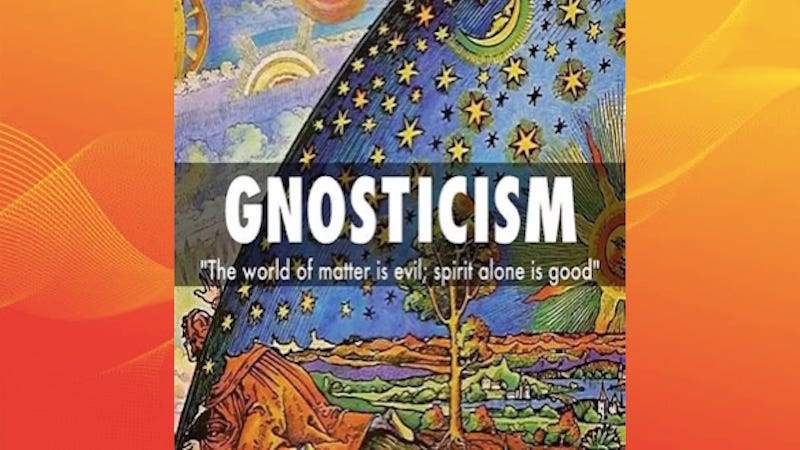
Gnosticism and early Christianity, while sharing similar figures like Jesus, differ fundamentally. Gnosticism emphasizes salvation through secret knowledge (gnosis) and views the material world as evil, created by a lesser deity. Conversely, Christianity emphasizes salvation through faith in Christ’s atonement, regarding creation as inherently good.
Core Differences:
God and Creation: Gnostics often believe a lower, flawed deity (the Demiurge) created the material world, distinct from the true, higher God. Christianity teaches one God, the creator of all things, who is both holy and loving.
Salvation: Gnosticism offers liberation of the spirit from the material body through exclusive, esoteric knowledge. Christianity offers salvation of the whole person—body and soul—from sin through the incarnation, death, and resurrection of Jesus.
The Nature of Jesus: Gnostic texts often present a “Docetic” view, where Jesus only seemed human and didn’t suffer physically. Traditional Christianity holds that Jesus was fully human and fully divine.
Material World: Gnosticism holds a dualistic view where spirit is good and matter is evil. Christianity affirms that material creation is good, even if corrupted by sin.
Knowledge vs. Faith: Gnosticism focuses on enlightenment and personal experience (gnosis), while Christianity emphasizes faith in the historical, bodily work of Jesus and the testimony of the Apostles.
Gnosticism is generally considered a heresy that was separated from orthodox Christian doctrine by early church fathers, often because it rejected the bodily resurrection and the goodness of creation.