
Ignatius: Robb Moser
Genesis to Revelation Bible Blogs

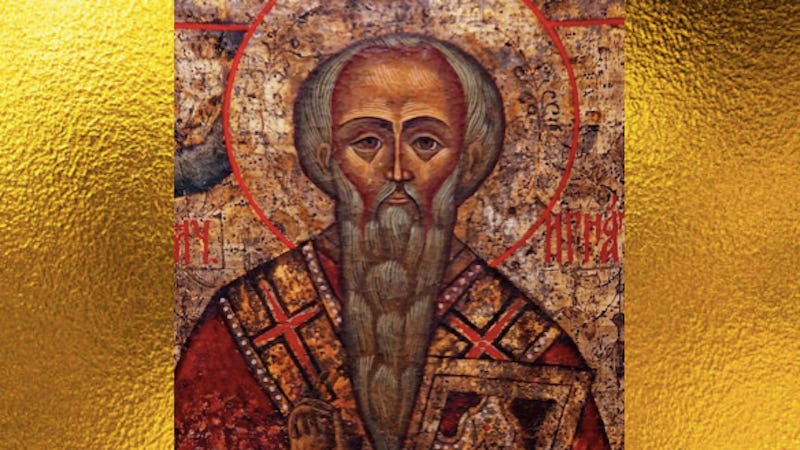
Ignatius of Antioch (35–107 AD) was an early Christian writer and the third Bishop of Antioch, succeeding St. Peter and Evodius. He is one of theApostolic Fathers, a group of early Church leaders who likely knew the original Apostles personally—tradition identifies him as a disciple of John the Apostle.
The Seven Letters
Ignatius is most famous for seven letters he wrote while being escorted under guard from Antioch to Rome for his execution. These letters are critical primary sources for understanding early 2nd-century Christianity:
Target Churches: Ephesians, Magnesians, Trallians, Romans, Philadelphians, Smyrnaeans, and a personal letter to Bishop Polycarp of Smyrna.
Key Themes:
Church Unity: He urged local churches to remain unified under their bishop.
Opposing Heresy: He argued against Docetism (the belief that Jesus only seemed to have a physical body) and Judaizers (those insisting on Jewish Law for Christians).
Martyrdom: He viewed his upcoming death as a way to fully unite with Christ.
Martyrdom and Legacy
Ignatius was condemned to death under Emperor Trajan for his refusal to renounce Christianity. According to tradition, he was martyred in the Colosseum in Rome, where he was devoured by lions. He famously described himself as “God’s wheat,” longing to be ground by the teeth of beasts to become the “pure bread of Christ”.
Theophoros: He was also called Theophorus (”God-bearer”). A later legend suggests he was the small child Jesus held on his lap in the Gospels.
“Catholic” Church: Ignatius is the first writer known to use the term “Catholic” (katholikos) to describe the universal Church.
Feast Days: His feast is celebrated on October 17 in the West and December 20 in the East.