
Irenaeus: Robb Moser
Genesis to Revelation Bible Blogs

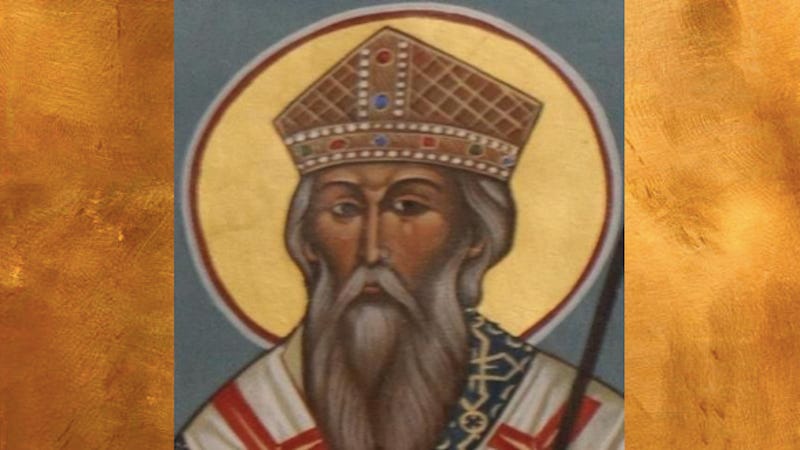
Irenaeus of Lyons (125–202 AD) was a Greek bishop and theologian best known for his fierce defense of early Christian orthodoxy against Gnosticism. Born in Smyrna (modern-day Turkey), he was a student of Polycarp, who was himself a disciple of John the Apostle. This direct connection made Irenaeus a vital bridge between the era of the apostles and the growing 2nd-century church.
Key Contributions and Theology
Against Heresies: His most famous work, Adversus Haereses, was written around 180 AD to systematically refute Gnostic teachings, which he argued twisted the scriptures to fit secret, elitist myths.
Apostolic Succession: He was the first to strongly articulate the doctrine of apostolic succession, arguing that the true faith is guaranteed by a visible line of bishops stretching back to the apostles.
The Four-Fold Gospel: Irenaeus is the earliest known writer to insist that there are exactly four canonical gospels—Matthew, Mark, Luke, and John—comparing their necessity to the four winds or the four corners of the earth.
Recapitulation Theory: A central theme in his theology is “recapitulation” (anakephalaiōsis), the idea that Christ, as the “New Adam,” lived through every stage of human life to “sum up” and redeem humanity.
Life as Bishop
Irenaeus served as a priest in Lugdunum (modern-day Lyon, France) and was sent to Rome in 177 AD to consult with Pope Eleutherius regarding the Montanist heresy. During his absence, a severe persecution broke out in Lyon, claiming the life of the city’s first bishop, Pothinus. Upon his return, Irenaeus was appointed his successor.
He also acted as a peacemaker during the “Quartodeciman controversy,” successfully persuading Pope Victor I not to excommunicate Eastern churches for celebrating Easter on a different date than Rome.
Legacy and Honors
Doctor of the Church: In 2022, Pope Francis officially declared Irenaeus a Doctor of the Church with the title Doctor Unitatis (”Doctor of Unity”).
Feast Day: He is commemorated on June 28 in the Roman Catholic and Anglican traditions, and on August 23 in the Eastern Orthodox tradition.
Famous Quote: He is often credited with the saying, “The glory of God is man fully alive”.
A full translation of his most important works is available via the Christian Classics Ethereal Library.