
Pelagius: Robb Moser
Genesis to Revelation Bible Blogs

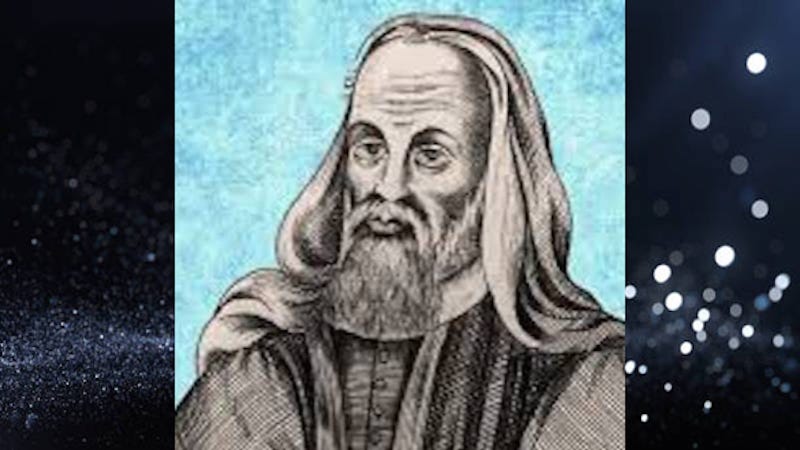
Pelagius (354–418 AD) was a British-born ascetic monk and theologian best known for his controversial views on free will and human nature, which led to a historic conflict with St. Augustine of Hippo.
Key Beliefs (Pelagianism)
His theological system, later labeled as the Pelagian heresy, centered on the idea that humans have the natural capacity to choose good and achieve salvation through their own efforts.
Denial of Original Sin: He argued that Adam’s sin affected only Adam and was not inherited by the rest of humanity. Therefore, newborns are born “morally neutral”.
Absolute Free Will: Pelagius believed God gave humans the power to be sinless if they chose to be, emphasizing individual responsibility for moral behavior.
The Role of Grace: To Pelagius, divine grace was a helpful “bonus”—providing the law and Christ’s example—but not a necessary requirement for doing good or attaining eternal life.
Conflict with Augustine
Pelagius was deeply disturbed by the moral laxity he saw in Rome, which he believed was encouraged by Augustine’s focus on human helplessness and total dependence on grace. While Pelagius preached that “if I ought, I can,” Augustine countered that the human will is “enslaved” by sin and requires God’s direct intervention to even desire the good.
Condemnation and Legacy
Excommunication: He was excommunicated in 418 AD after being condemned by several church councils, including the Council of Carthage.
Historical Impact: His ideas forced the Early Church to formally define the doctrines of grace and original sin. Today, Pelagius is often cited in discussions about humanism and the limits of human effort in spiritual life.