
Polycarp: Robb Moser
Genesis to Revelation Bible Blogs

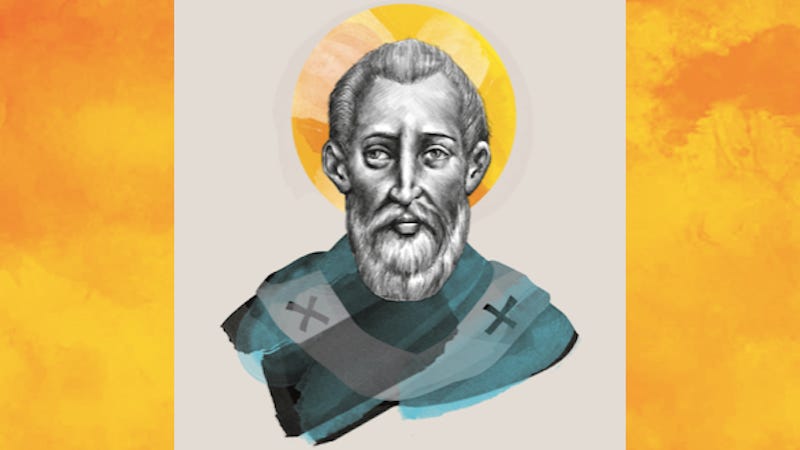
Polycarp (AD 69 – 155) was an early Christian bishop of Smyrna (modern-day İzmir, Turkey) and is recognized as one of the three chief Apostolic Fathers, alongside Clement of Rome and Ignatius of Antioch. He is highly revered for being a direct disciple of John the Apostle, serving as a vital link between the age of the original apostles and the later Church.
Key Historical Significance
Apostolic Connection: As a student of St. John, Polycarp provided eyewitness testimony of those who had seen Jesus, passing this “genuine tradition” to disciples like Irenaeus.
Defender of Orthodoxy: He was a staunch opponent of early heresies, notably confronting Marcion, whom he famously called the “first-born of Satan”.
Easter Controversy: He traveled to Rome to discuss the Quartodeciman controversy (the dating of Easter) with Pope Anicetus. Though they did not reach a consensus, they parted in peace, maintaining church unity.
Surviving Writings: His only surviving work is the Epistle of Polycarp to the Philippians, which is prized for its extensive use of New Testament quotations.
Martyrdom
Polycarp’s death is one of the most famous in early Christian history, documented in the Martyrdom of Polycarp. At age 86, he was arrested for refusing to renounce Christ. When urged by the Roman proconsul to curse Christ to save his life, he famously replied: “Eighty and six years have I served Him, and He never did me any injury: how then can I blaspheme my King and my Saviour?”
According to tradition, when they attempted to burn him at the stake, the flames miraculously arched around him like a sail without touching his body. He was ultimately killed with a dagger. His feast day is celebrated on February 23rd.