
Resurrection: Robb Moser
Genesis to Revelation Bible Blogs

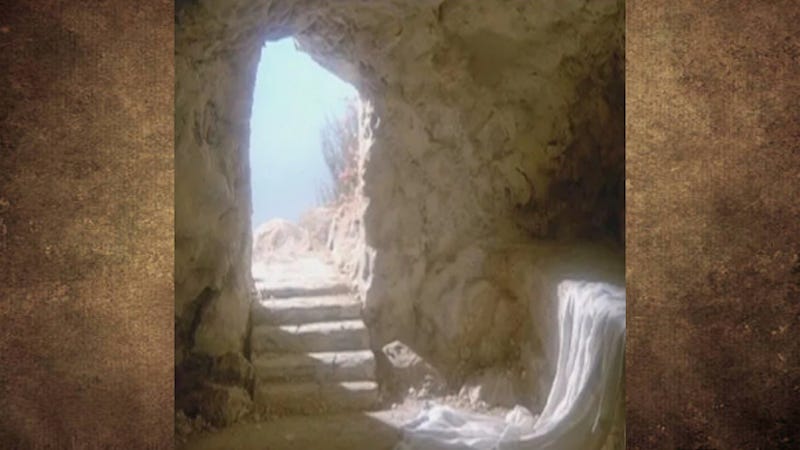
The resurrection of Jesus is the central tenet of Christian theology, representing the belief that God raised Jesus from the dead three days after his crucifixion. As the "central mystery of the Christian faith," it serves as the foundation for the religion, commemorated annually on Easter Sunday.
The Biblical Account
The New Testament records the events following the crucifixion, primarily focusing on the empty tomb and Jesus’ post-resurrection appearances.
The Empty Tomb: All four Gospels (Matthew 28, Mark 16, Luke 24, John 20) describe women, including Mary Magdalene, discovering the stone rolled away and the tomb empty on the first day of the week.
Post-Resurrection Appearances: Jesus appeared to various followers over a 40-day period. Key appearances include:
Mary Magdalene at the tomb.
Two disciples on the Road to Emmaus.
The Eleven Apostles in Jerusalem, including “Doubting” Thomas.
A group of more than 500 followers at once, as recorded by Paul in 1 Corinthians 15:6.
The Great Commission: Before his ascension, the resurrected Jesus commanded his disciples to “make disciples of all nations,” a mission central to the early Church.
Theological Significance
In Christian thought, the resurrection is more than just a historical claim; it has profound spiritual implications:
Victory Over Death: It is seen as a literal victory over sin and death, guaranteeing eternal life for believers.
Vindication of Jesus: It serves as divine proof that Jesus is the Messiah and the Son of God, fulfilling Old Testament prophecies.
New Life: Paul describes Jesus as the “first fruits” of the resurrection, meaning his rising is the beginning of a future general resurrection for all humanity.
The empty tomb refers to the biblical account in all four Gospels (Matthew, Mark, Luke, John) where, on the third day after his crucifixion, Jesus’ tomb was found empty by his followers. It is considered the foundation of the Christian belief in the Resurrection, symbolizing victory over death, fulfillment of prophecy, and the offer of hope, forgiveness, and new life.
Biblical Account and Key Details
Discovery: Early on the first day of the week, women (including Mary Magdalene) came to the tomb and found the stone rolled away and the body gone.
Witnesses:
Angels announced to the women that Jesus had risen.
The Guard: The tomb was sealed and guarded by a contingent of up to 16 Roman soldiers to prevent tampering.
Significance and Interpretations
Foundation of Faith: The empty tomb is viewed as tangible proof of Jesus’ resurrection and divinity.
Symbolism: It represents the triumph of life over death, the completion of Jesus’ sacrifice, and the beginning of a new covenant.
Hope: It offers believers the promise of resurrection and the hope of eternal life.
Symbolic Traditions: The tradition of decorating Easter eggs originates as a symbol of the empty tomb—the shell representing the sealed tomb and the cracking open representing the Resurrection.
Historical Evidence
Apostolic Proclamation: The empty tomb was at the center of the earliest Christian preaching.
Evidence of Disciples’ Belief: The willingness of the disciples to die for their proclamation that Jesus was resurrected is, for many, a powerful testimony.
Burial Account: First-century Jewish burial customs, including the use of heavy stones and the presence of guards, suggest that the removal of the body would have been extremely difficult, supporting the notion of a miraculous disappearance rather than theft.