
Tertullian: Robb Moser
Genesis to Revelation Bible Blogs

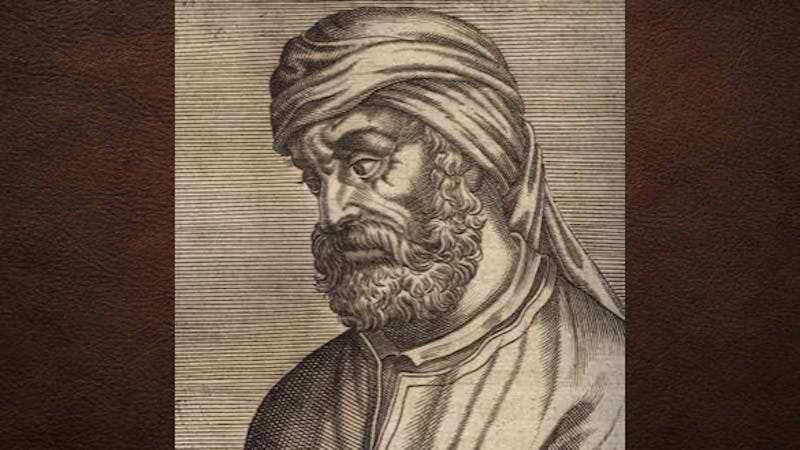
Tertullian (155 – 220 AD) was a prolific early Christian author from Carthage and is widely regarded as the”Father of Latin Theology”. He was the first major Christian writer to produce an extensive body of work in Latin, significantly shaping the theological vocabulary of Western Christianity.
Key Contributions & Theology
Tertullian’s influence on Christian doctrine is foundational, particularly in his efforts to define the nature of God and Christ:
The Trinity: He is the first known Latin writer to use the term “Trinity” (trinitas) to describe the Father, Son, and Holy Spirit as “one substance in three persons”.
Christology: He pioneered the description of Jesus Christ as having two natures—fully divine and fully human—within one person, a concept that became standard in later church councils.
Original Sin: His writings on the soul laid early groundwork for the doctrine of Original Sin, suggesting that the soul’s substance is passed from parents to children.
Ecclesiastical Latin: He “invented” many of the Latin terms used in theology today, moving the church away from its primary reliance on Greek.
Famous Quotes
Tertullian is known for his sharp, provocative style and several enduring phrases:
“The blood of the martyrs is the seed of the church” — highlighting how persecution actually helped Christianity grow.
“What has Athens to do with Jerusalem?” — expressing his skepticism of using Greek philosophy to explain Christian faith.
“It is to be believed because it is absurd” — (often paraphrased) reflecting his emphasis on faith over human reason in certain divine mysteries.
Life and Controversy
Conversion: Born to pagan parents in Carthage, he received a high-level education in law and rhetoric before converting to Christianity in his 30s or 40s.
Montanism: Later in life, he became dissatisfied with what he saw as moral laxity in the mainstream church. He joined the Montanists, a rigorous and prophetic sect, and eventually formed his own group known as the Tertullianists.
Character: His writings are marked by intense rigorism, moral absolutism, and a “legalistic” mindset likely stemming from his background as a lawyer.
Despite his later break from the mainstream church, his early works remained highly influential for later Church Fathers like Cyprian and Augustine.