
Zwingli: Robb Moser
Genesis to Revelation Bible Blogs

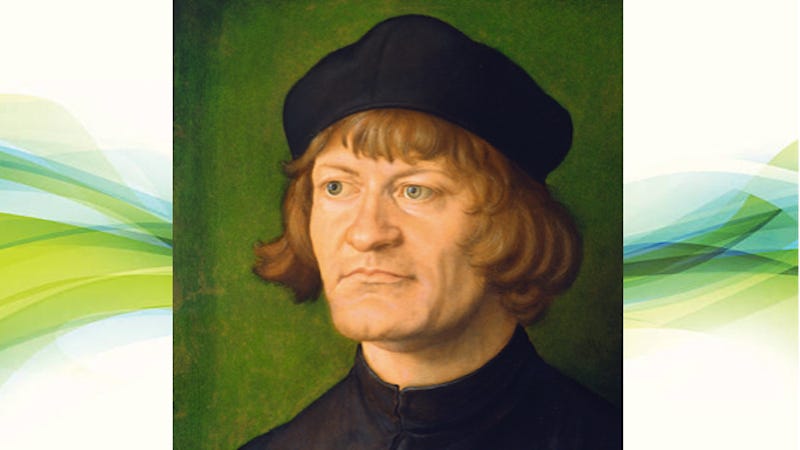
Huldrych Zwingli (1484–1531) was a Swiss priest and theologian who served as the primary leader of theProtestant Reformation in Switzerland. Often called the “third man of the Reformation” after Martin Luther and John Calvin, he founded the Swiss Reformed Church and transformed Zurich into a major center of religious reform.
Key Contributions & Theology
Zwingli’s approach was characterized by a strict adherence to Scripture, often going further than Luther in stripping away traditions not explicitly commanded by the Bible.
Scriptural Authority: He believed the Bible was the sole authority for Christian life and began his reform in Zurich by preaching directly from the New Testament in the vernacular.
Symbolic Eucharist: A major point of contention with Martin Luther was the Lord’s Supper. While Luther believed in a real physical presence, Zwingli argued the bread and wine were symbolic memorials of Christ’s sacrifice.
Church and State: Unlike some other reformers, Zwingli believed the church and state should work together under God’s sovereign rule to create a model Christian community.
Iconoclasm: He influenced Zurich to remove religious images from worship, abolish the mass, and allow clergy to marry.
Life and Legacy
Early Influence: Originally a Roman Catholic priest and a chaplain for Swiss mercenaries, he was heavily influenced by the Christian humanism of Erasmus.
The “Affair of the Sausages”: His public support for citizens who ate sausages during Lent in 1522—violating Catholic fasting rules—is often cited as the spark of the Swiss Reformation.
Death on the Battlefield: Zwingli died in 1531 during the Second Kappel War, fighting as a military chaplain for Protestant Zurich against Catholic forces.
Succession: He was succeeded by Heinrich Bullinger, who further developed Zwinglianism and eventually helped merge the Swiss movement with the followers of John Calvin.